Have you ever noticed how many questions a young child asks in a day? Why does it rain? Where does the sun go at night? How do birds fly? Children want to know everything around them. They watch, listen, touch, and try things until they find an answer. Education gives their curiosity a direction.
School is more than simply learning English, maths or science. Children also learn to make friends, talk to people, follow rules and deal with situations on their own. Education has its rewards in small things like reading a signboard, counting money, or helping a friend understand a lesson.
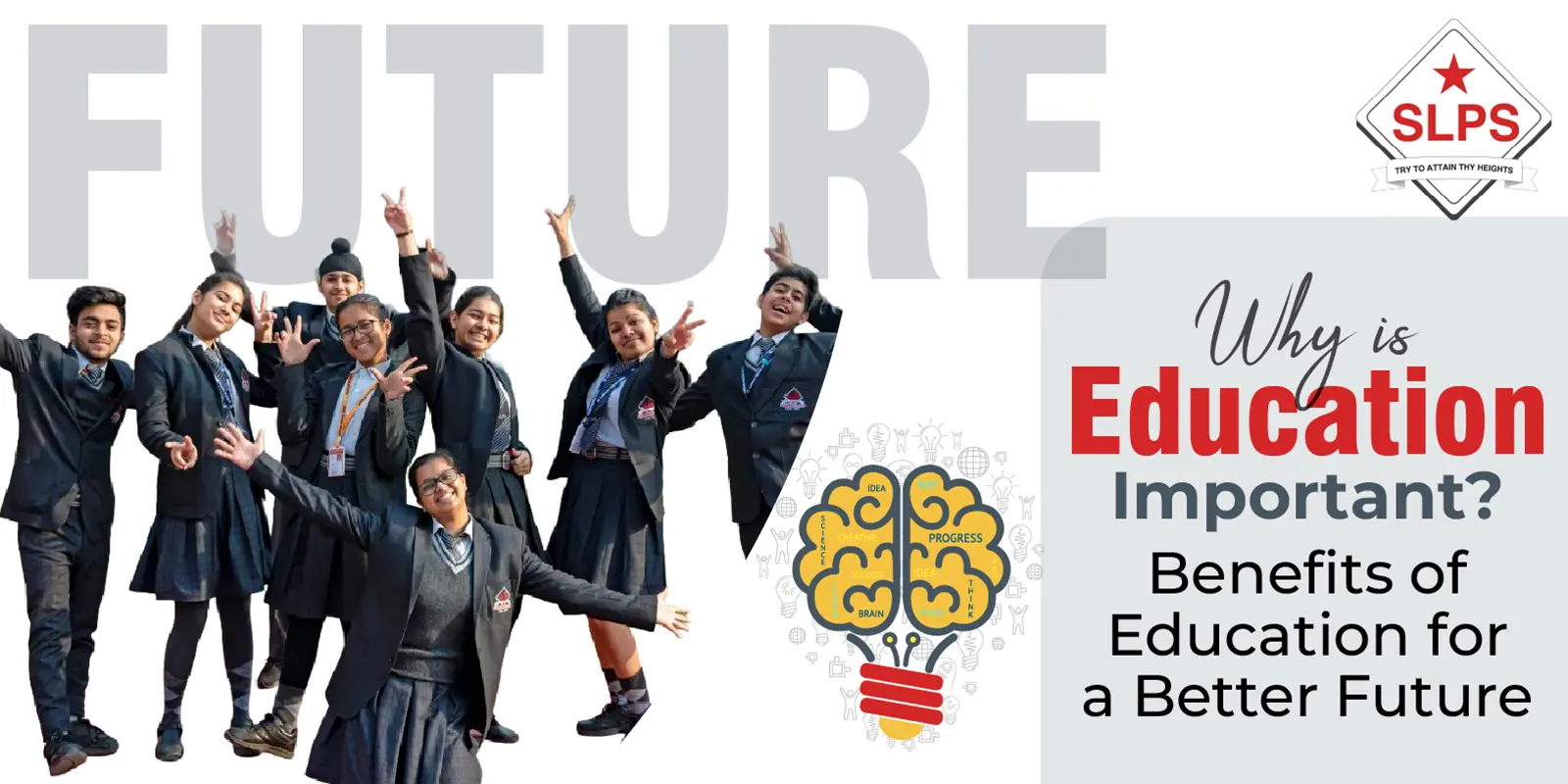
Why Is Education Important? Benefits of Education for a Better Future and Everyday Life
Ask ten parents why education is important, and you may hear ten different answers. Some want their children to become doctors or engineers. Others want them to grow into responsible adults who can make their own decisions.
Both reasons make sense. A child needs academic knowledge, but knowing how to use that knowledge matters too.
For example, learning multiplication helps you when you are shopping. Reading improves children’s understanding of instructions and stories. Studying science helps them understand why certain things happen.
Education’s value is found in the daily experiences. What children learn today can help them make better choices tomorrow.
5 Importance of Education in a Child’s Life
The advantages of education become easier to understand when we look at what children actually learn during their school years.
1. Children Start Thinking for Themselves
Imagine a teacher asking students why plants need sunlight. Instead of giving them the answer immediately, the teacher lets them share their thoughts. Some children may answer correctly, while others may have different ideas.
Such discussions teach children to think before answering and feel comfortable asking questions.
2. Education Helps Children Discover Their Interests
Not every child enjoys the same subject. One may love mathematics, another may enjoy drawing, and someone else may spend hours reading about animals.
School is to expose children to different subjects so they can slowly figure out what they are interested in. These interests may later influence their choice of college or career.
3. Children Learn to Speak With Confidence
Speaking in front of a classroom can feel difficult, especially for quiet children.
Students get plenty of practice talking, answering questions, debating and working with their classmates. They also learn to listen when others have something to say.
4. School Teaches Children Responsibility
Remembering homework, packing a schoolbag, and arriving on time may seem like ordinary tasks.
Children learn to manage their routines with these habits. They begin to understand why planning their work and completing it on time matters.
5. Education Teaches Children to Keep Trying
Every student faces difficulties. Some struggle with spelling, while others find fractions confusing.
A good teacher helps children understand where they went wrong. With practice, they learn that one poor result does not mean they cannot improve.
How the Right School Curriculum Helps Children Learn
Children cannot learn everything simply by copying notes from a blackboard. They need opportunities to ask questions, try new activities, and understand lessons in their own time.
ICT 360 Computer Curriculum introduces children to computers and technology. The C.R.E.A.T.E Curriculum adds creative activities to classroom lessons, giving students different ways to explore what they study.
With
Progressive Learning, children can work through topics at their own pace without feeling pressured.
Progressive Assessments allow Teachers to track their student’s progress and highlight areas for further support. During the early school years,
Pre-Foundation learning helps
young children become familiar with numbers, letters, classroom routines, and learning alongside others.
These parts of school education matter because every child learns differently. A student who struggles to understand a written explanation may understand the same topic during a classroom activity.
Why Are Sports and School Activities Important?
Think back to your school days. You probably remember a
sports competition, a stage performance, or a school trip just as clearly as your favourite lessons.
Children learn plenty outside the classroom too.
Activity Clubs give students the chance to spend time pursuing their hobbies and trying out activities that are different from their normal subjects. Through Sports, children learn to work with teammates, follow rules, and accept losing a game.
In-House Competitions & Awards encourage students to take part in different events, while
Awards & Scholarships recognise their hard work.
A school’s Our Achievements section can also help parents see the different activities and accomplishments of its students.
These experiences give children memories, friendships, and interests that stay with them for years.
Why Parents and Teachers Need to Work Together
Teachers spend time with children in the classroom, but parents see another side of their personalities at home.
An otherwise quiet child in class may enjoy telling stories to family members. Another child may complete schoolwork easily but struggle to make friends.
Parent-Teacher-Mentor Programs help parents and teachers discuss these differences and understand what a child needs.
Parents can help by reading with their children, listening to their concerns, and showing interest in school activities without putting pressure on marks.
How Education Helps Children Build Their Future
The impact of education does not end after the final school examination. Reading, communication, mathematics, and problem-solving remain useful in college, at work, and in everyday situations.
Some students opt for university degrees, others go for vocational courses, online learning or business. The right choice depends on their interests and what they want to do.
At SilverLine Prestige School, classroom studies, computer learning, sports, and school activities form part of the learning experience, giving children opportunities to study and explore their interests.
Frequently Asked Questions
1. Can online courses teach as much as regular school education?
Online courses can teach many useful skills. However, children also need classmates, teachers, and daily interaction during their early school years.
2. Why does education matter when planning long-term goals?
Education helps children understand their interests and learn the skills or qualifications they may need for their future careers.
3. How can schooling help children follow their dreams?
School introduces children to different subjects, activities, and career ideas. These experiences help them discover what they enjoy.
4. Is a college degree more useful than an online certificate?
It depends on the job. Some professions require degrees, while others accept certificates, practical skills, and work experience.
5. Should students choose vocational training or academic education?
Students interested in hands-on jobs may prefer vocational courses. Those planning careers that require degrees will need further academic education.