Home - What Is Effective Communication and Why Is It Important

What Is Effective Communication and Why Is It Important
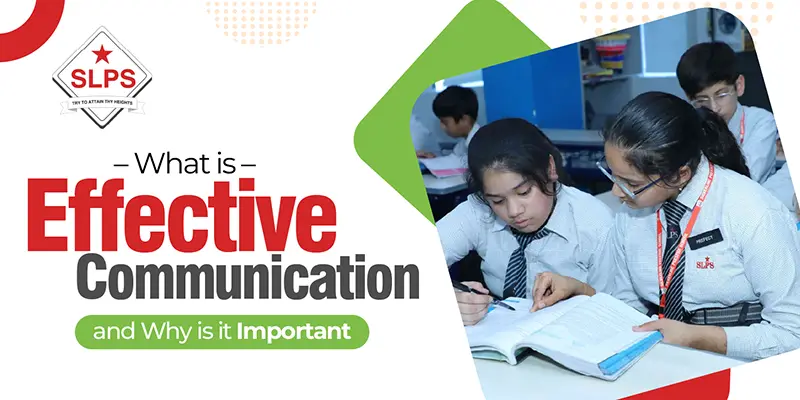
What Is Effective Communication and Why Is It Important
Every student communicates throughout the day. They ask questions, answer teachers, talk with classmates, write assignments, share ideas and listen during lessons. But speaking alone does not mean communication has worked. The real test is simple: did the other person understand what you meant? And this is where good communication comes in. It’s about sharing your ideas in a way that makes sense, listening to others and responding appropriately. Tone, facial expressions, eye contact and body language also matter. For children, strong communication skills can make school life easier. They can ask for help freely, explain an answer, join a group discussion and share their views without feeling lost or ignored.

What Is Effective Communication and Why Is It Important for Students?

If you are wondering what is effective communication, think of a classroom conversation. A teacher explains a task, students listen, ask questions and then complete the work correctly. Everyone understands what needs to happen.

Different Ways Students Communicate Every Day

Communication does not always happen through spoken words. Students use several forms without even noticing them.
  • Speaking: Students answer questions, tell stories, discuss lessons and talk with friends.
  • Listening: A child needs to listen carefully before giving the right answer or following an instruction.
  • Writing: Homework, project work, essays, notes and written tests all depend on clear communication.
  • Body language: Eye contact, posture, hand movements and facial expressions can change how a message feels.
A student may know the answer but struggle to explain it. Another may speak well but fail to listen. Both skills need practice before a child develops good communication skills.

Benefits of Effective Communication for Students

The benefits of effective communication are easy to notice in daily school life. Students who can explain themselves clearly are more likely to ask questions when they are confused. They can take part in discussions instead of staying silent. They may also find group work easier because they can share ideas and listen to what others think. Good communication can help students:
  • Speak with more confidence in class
  • Understand teachers’ instructions
  • Work better with classmates
  • Give presentations more comfortably
  • Ask useful questions
  • Listen to another person’s point of view
  • Handle small disagreements calmly
  • Explain thoughts in a simple way
One clear advantage of communication skills is that children learn how to speak differently in different situations. A casual chat with a friend is not the same as speaking during a school presentation, debate or competition.

School Activities That Build Communication Naturally

Children often learn communication best when they are busy doing something. Activity Clubs give students a chance to meet others, discuss common interests and take responsibility for group tasks. In House Competitions & Awards can help students practise speaking before an audience, presenting work or responding under pressure. Sports teach another side of communication. Players need to hear instructions, call out to teammates, understand signals and make quick decisions together. These activities do not feel like a communication lesson, but children are still learning how to listen, speak and work with people.

Classroom Learning and Communication Skills

Regular lessons also create many chances for children to express themselves. The C.R.E.A.T.E Curriculum can encourage students to ask questions, discuss ideas and become more involved in what they are learning. With Progressive Learning, students can build knowledge step by step instead of simply memorising information. Progressive Assessments can also help teachers understand what a child knows and where more support may be needed. The ICT 360 Computer Curriculum brings another type of learning into the classroom. Digital tasks, presentations and project work may require students to explain what they have done or work with a partner. For younger children, Pre-Foundation years are also important. Simple activities such as listening to stories, speaking in a group and taking turns can build early communication habits.

Communication Is Important Outside Studies Too

School life is not only about marks. Students communicate during games, functions, competitions, clubs and everyday conversations. School Achievements often involve teamwork, planning and the confidence to present work in front of others. Awards & Scholarships can also give students reasons to improve their speaking and writing. As children grow older, interviews, applications and presentations may become more common. The Parent-Teacher-Mentor Programs can support another important form of communication. When parents, teachers and students talk openly, it becomes easier to discuss progress, concerns and goals.

How Can Students Improve Good Communication Skills?

Communication gets better with use. Students can begin with small habits. Listen until the other person finishes. Look at the person speaking. Ask a question when something is unclear. Think for a few seconds before giving an answer. Reading also helps because it gives children more words to use when explaining their thoughts. Taking part in Sports, Activity Clubs, classroom discussions and school competitions can also help. The more often children speak in different situations, the easier it becomes. They can also try explaining a lesson to a parent, sibling or friend. If they can explain it simply, they probably understand it well too.

Why Communication Skills Matter Beyond School

The need to communicate does not end with school. At SilverLine Prestige School, Students will use these skills in college, interviews, workplaces and everyday relationships. They will need to listen to instructions, explain opinions, write messages and speak with people they may not know well. That is why What Is Effective Communication and Why Is It Important is not just a school topic. It is a skill children use now and continue using as they grow.

FAQs

1. What is effective communication?

It means sharing your thoughts clearly and listening carefully so both people understand each other.

2. Why are communication skills important for students?

They help students ask questions, understand lessons, work in groups and speak with confidence.

3. What are examples of good communication skills?

Listening, clear speaking, eye contact, asking questions and using polite language are common examples.

4. What are the benefits of effective communication?

It can help with confidence, teamwork, classroom learning, friendships and problem-solving.

5. How can children improve communication skills?

They can read, join discussions, listen carefully, play team sports and practise speaking in different situations.
Register Online WhatsApp Call