Home - Fun Learning Activities for Primary School Students
Fun Learning Activities for Primary School Students
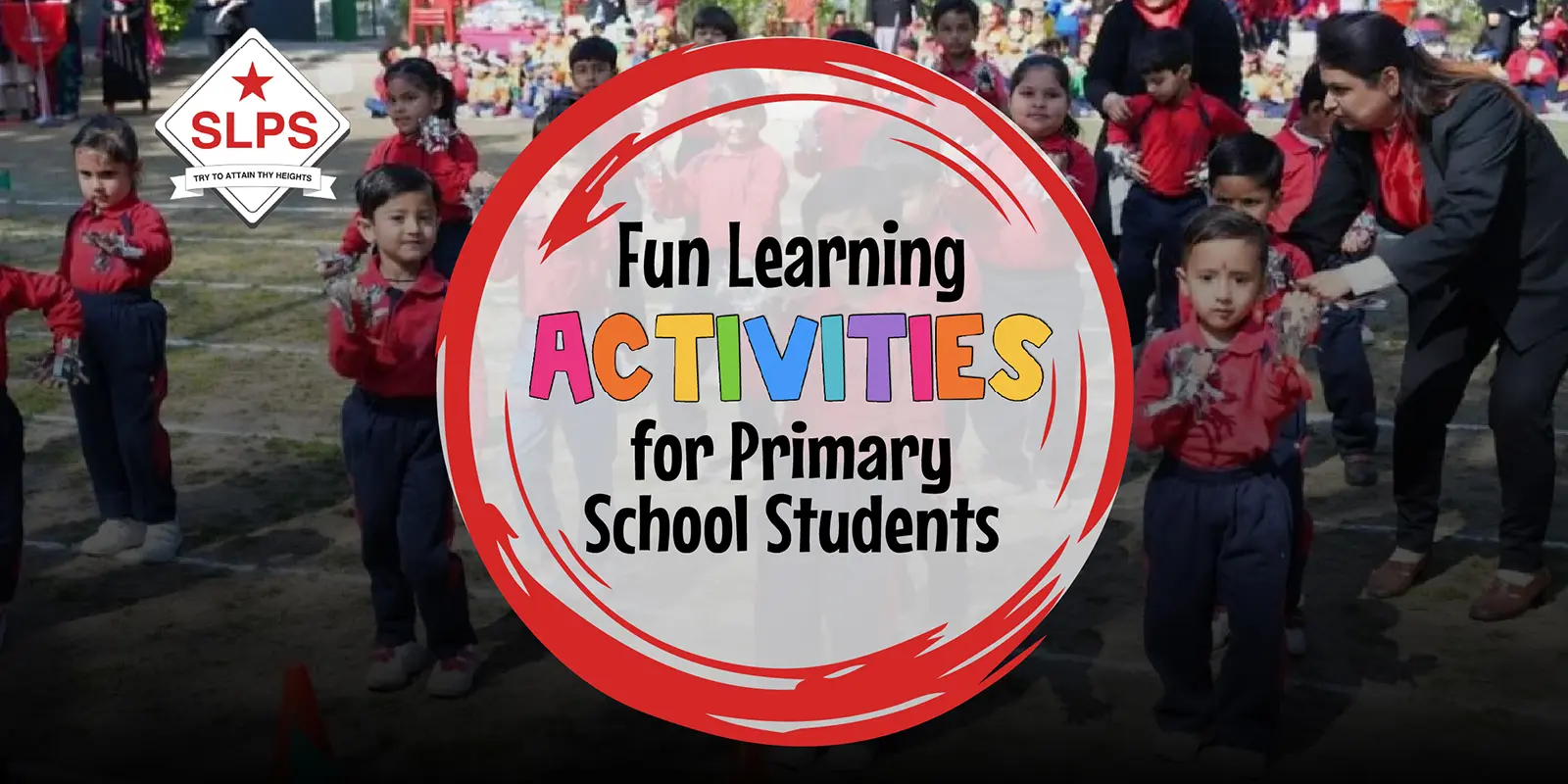
Fun learning activities for primary school students can turn an ordinary lesson into something children actually look forward to. At this age, students learn better when they can move, speak, test ideas, make things, and work with classmates. A game, experiment, role-play task, or outdoor activity often explains a topic more clearly than a long lecture. It also gives children the confidence to ask questions, share answers, and take part without feeling afraid of making mistakes.
Teachers can also turn this activity name list into an infographic for the school blog or classroom noticeboard.
Why Activity-Based Learning Works
Primary school children do not all learn in the same way. One child may remember a topic after drawing it. Another may understand it after acting it out, building a model, or solving a small challenge with friends. That is why classroom activities should do more than fill time. Each one needs a clear purpose. A word game should support spelling or vocabulary. A maths task should help with counting, calculation, or reasoning. A science activity should allow children to observe what happens and explain it in their own words. Well-planned fun learning activities for kids also help teachers notice things that regular written work may not show. A quiet student may speak confidently during role play. Another child may struggle with writing but solve puzzles quickly. These small observations help teachers support students in a better way.1. Build a Story Together
Start with one sentence and ask each student to add the next line. For example:“Anaya opened the classroom cupboard and found a tiny red suitcase.” One child may say that the suitcase started moving. Another may add that it contained a map. The story keeps changing as each student adds an idea. This activity works well because children must listen before speaking. They cannot simply say anything; their sentence needs to connect with the story. It gives them practice in vocabulary, sentence building, imagination, and public speaking. Teachers can take the same activity further by asking students to write the ending, draw a scene, or give the story a title.2. Create a Maths Market
A classroom shop is one of the most practical activities for primary students. Use empty food packets, books, pencils, erasers, or handmade cards. Add simple price tags and give students play money. Some children can act as shopkeepers while others become customers. A customer may ask, “How much will two notebooks and one pencil cost?” The shopkeeper then adds the prices and gives the answer. Older students can also calculate change. This activity makes addition, subtraction, money, reading, and polite conversation feel connected to real life. It works much better than asking children to solve the same type of sum again and again.3. Try a Classroom Treasure Hunt
Hide clue cards around the room. Each card should contain a question that leads to the next place. A math clue may say: “Find the answer to 8 × 4. Now look under the object with that number.” An English clue may ask children to find a word that rhymes with “light.” A science clue can point towards an object made of metal, wood, or plastic. Treasure hunts bring movement into the lesson, which helps children who find it hard to sit still for long periods. They also encourage teamwork, quick thinking, and careful reading.4. Use Simple Science Experiments
Young children often understand science when they can see it happen. Teachers can try activities such as:- Growing a seed in wet cotton
- Testing which objects float or sink
- Mixing coloured water
- Making a paper bridge
- Checking which items attract a magnet
- Observing how ice melts in different places
5. Play Vocabulary Bingo
Prepare cards with words from the current lesson. Instead of saying the word, give a clue. For example: “This animal lives in water and breathes through gills.” Students find and mark “fish” on the card. Vocabulary Bingo can be used for:- Opposites
- Synonyms
- Phonics
- Animals
- Transport
- Food
- Science words
- Action words
6. Hold a Show and Tell Session
Ask children to bring a small object from home. It could be a book, photograph, toy, plant, handmade item, or family keepsake. Give them a few easy questions:- What is it?
- Where did you get it?
- Why do you like it?
- What makes it special?
7. Connect Art With Other Subjects
Art can support almost every lesson. Children can make:- Shape collages for maths
- Weather charts for science
- Animal masks for environmental studies
- Word posters for English
- Family trees for social studies
8. Take a Nature Observation Walk
A school garden, playground, or small outdoor area can become a learning space. Ask students to notice: What to Observe Example Leaves Size, shape, and colour Weather Sunny, cloudy, or windy Birds Sound, colour, or movement Insects Where they were found Flowers Colour and number of petals After the walk, children can discuss what they saw, draw a picture, or write three sentences about it. This activity supports science, environmental studies, creative writing, and observation skills at the same time.9. Add Puzzles and Riddles
Puzzles make children pause and think instead of answering quickly. Useful classroom activities include:- Word searches
- Mazes
- Number patterns
- Jigsaw puzzles
- Tangrams
- Spot-the-difference sheets
- Simple riddles
10. Organise a Team Quiz
A short quiz works well at the end of a chapter or week. Divide the class into small teams and include different rounds. You can use:- True or false
- Picture identification
- Complete the sentence
- Rapid-fire questions
- Guess the object
- Multiple-choice questions
Activity Name List for Teachers
| What to Observe | Example |
|---|---|
| Leaves | Size, shape, and colour |
| Weather | Sunny, cloudy, or windy |
| Birds | Sound, colour, or movement |
| Insects | Where they were found |
| Flowers | Colour and number of petals |

